
PN16

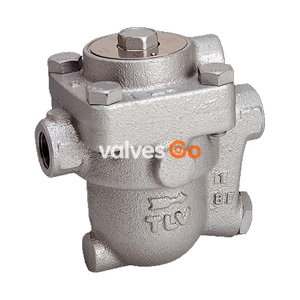
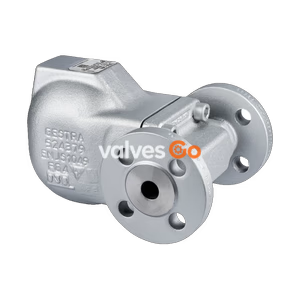
TLV JH8R-B cast steel free float steam trap with thermostatic air venting. Designed for continuous condensate discharge in process heaters and heat exchangers.
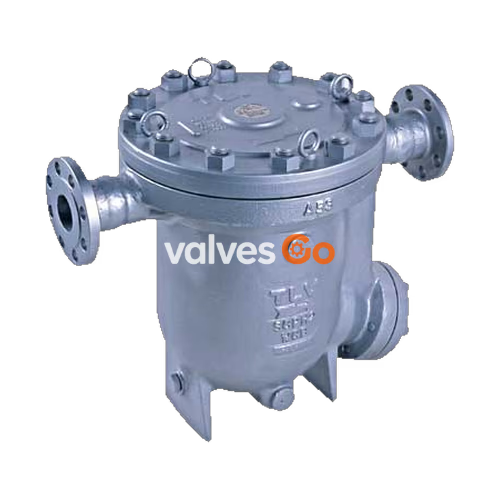
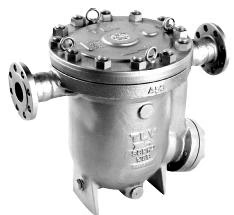
The TLV JH8R-B is an inline repairable cast steel free float steam trap equipped with a thermostatic bimetal air vent. It is suitable for a wide range of applications with small-to-large capacities and pressures up to 10 MPaG, such as all kinds of heat exchangers, process heaters, and coils. The trap discharges condensate continuously and automatically, at a temperature slightly lower than the saturation temperature.
WARNING
NEVER apply direct heat to the float. The float may explode due to increased internal pressure, causing accidents leading to serious injury or damage to property and equipment.
Install properly and DO NOT use this product outside the recommended operating pressure, temperature and other specification ranges. Improper use may result in such hazards as damage to the product or malfunctions, which may lead to serious accidents.
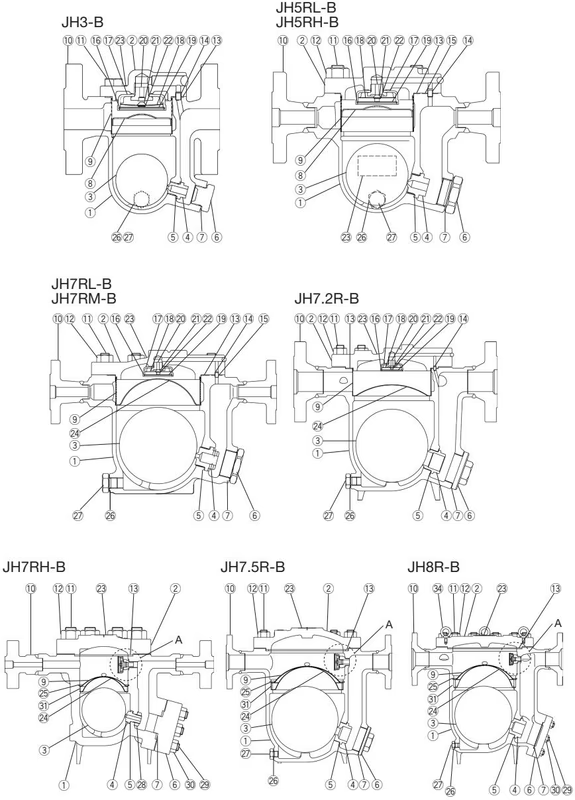
The internal components include the body, cover, float, orifice, orifice gasket, orifice plug, and thermostatic bimetal air vent assembly. Detailed part breakdown helps facilitate inline repair and maintenance without requiring removal from the pipeline.
Operational inspections should be performed at least twice per year, or as called for by trap operating conditions. Steam trap failure may result in temperature drop in the equipment, poor product quality or losses due to steam leakage.
Before attempting to open the trap, close the inlet and outlet isolation valves and wait until the trap has cooled completely. Failure to do so may result in burns.